New Statistics Link Bay Area Security Gate Upgrades To Crime Prevention in 2026
Concord, United States – March 4, 2026 / The Expert Gate Company /
Property protection across the region is shifting fast this March 2026. Data from the first quarter shows a significant increase in homeowners investing in perimeter renovations. There is a clear 15% increase in folks wanting to beef up their entry points against modern risks. Experts at The Expert Gate Company have shared their field data and experience for this report. They see a move away from simple barriers toward high-tech automated systems. These Bay Area automatic gates act as a primary layer of defense for local homes. This trend helps keep the local architectural look while adding serious security. The current goal for most residents is long-term reliability and keeping unwanted visitors out. This study looks at how these upgrades change the safety map for neighborhoods across the region.
Outline
-
Introduction: Rising Property Security Demands In The Bay Area
-
March 2026 Crime Data: Why Modern Gate Barriers Matter
-
How Bay Area Automatic Gates Stop Package Theft In March
-
Residential Driveways: Professional Maintenance Tips For Local Homeowners
-
Smart Technology Trends: Integrating AI Sensors With Entry Gates
-
Commercial Gates: Protecting Local Businesses From Urban Intrusion
-
Weather Impact Research: Shielding Gate Motors From Spring Storm Damage
-
Summary: Investing In Long-term Property Protection And Asset Value
March 2026 Crime Data: Why Modern Gate Barriers Matter
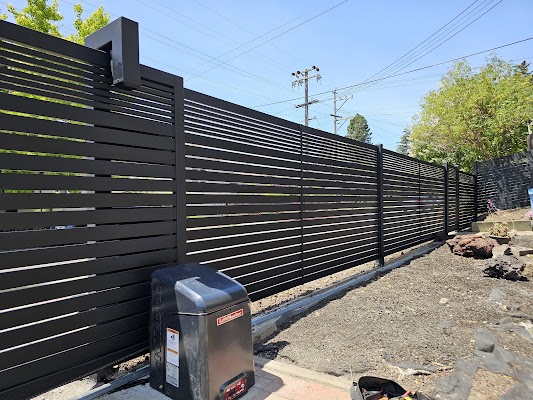
Local law enforcement agencies recently put out numbers showing a shift in suburban property issues. The data shows that houses with open driveways are three times more likely to experience trespassing. In March 2026, reports show about 40% of incidents involve people just walking onto a property to see what they can find. These stats show why a physical barrier at the edge of the lot is so important now.
Hardening a property starts at the very front. Creating a clear boundary stops people from just wandering in. Research from urban safety groups like SafeWise shows that physical barriers cut targeted scouting in half. It is not just about having a fence. It is about having a solid, motorized point of entry that stays locked.
Structural Integrity In Modern Renovations
-
Thick 14-gauge steel frames resist bending and prying.
-
Solid wood or composite infills block any view of the driveway.
-
Reinforced hinges stop anyone from lifting the barrier off its track.
-
Motorized deadbolts add hundreds of pounds of extra holding power.
The build quality of these systems matters a lot for security. Many older setups use thin metal that can be easily bent with a crowbar. Newer renovations use heavy-duty materials that stand up to force. When these are hooked up to a strong motor like a LiftMaster or a FAAC unit, the entry point stays shut tight. These motors are built to hold the weight and keep the gears from stripping during an attempted break-in.
A heavy frame needs a motor that can handle the torque. Most pros suggest a DC motor because it starts and stops smoothly without jarring the hardware. This prevents the metal from fatiguing over time. You can find more details on material strength at the Steel Joist Institute. Keeping the hardware solid ensures the security stays high even after years of use in the local salt air.
How Structural Upgrades Stop Package Theft In March
Package theft is a huge pain for local residents right now. With so many people getting daily deliveries, “porch pirates” are constantly looking for easy wins. Statistics from late 2025 showed that over 1.8 million packages were stolen each day nationwide. In March 2026, the local numbers stay high as spring shopping picks up. A renovation that closes off the front yard keeps boxes out of sight and away from the street.
A solid perimeter system changes how deliveries happen. Instead of leaving a box on a porch for everyone to see, the courier stays at the gate. Many homeowners now use a “delivery code” on a keypad or a smartphone app. This lets the driver put the package inside a secure courtyard or a designated box. This small change is a big deal for locals who want to keep their orders safe without being home all day.
Component Durability For Daily Use
|
Component Type |
Security Function |
Technical Detail |
|
Infrared Sensors |
Stops closing on vehicles |
50-foot range capability |
|
Battery Backup |
Keeps system running during outages |
12V or 24V DC systems |
|
Loop Detectors |
Signals the motor to open |
Buried wire induction |
|
High-Speed Motors |
Closes quickly to prevent tailgating |
12 inches per second travel |
Hardware maintenance is key to keeping things moving. Rollers should be made of heavy-duty nylon or steel with sealed bearings. This keeps the noise down and stops the motor from straining. Check out Consumer Reports for more on home security tech. You can also look at The International Association of Certified Home Inspectors for safety checklists. Ensuring every part works together keeps the property safe 24/7.
Residential Driveways: Professional Maintenance Tips For Local Homeowners
Maintaining a security barrier in the region requires a specific approach due to the local climate. The humidity and salt in the air can wreak havoc on metal parts and electrical circuits. March is a critical time to check the hardware, as the transition from winter rain to spring sun can cause materials to expand and contract. If the alignment is off by even a fraction of an inch, the motor has to work twice as hard. This often leads to a premature breakdown, leaving the property vulnerable.
A professional automatic gate checkup usually starts with the rollers and the track. Any debris or grit trapped in the track acts like sandpaper on the wheels. This leads to a noisy operation and eventually a stuck barrier. Greasing the hinges with a heavy-duty silicone lubricant is a small task that pays off in the long run. It keeps the movement fluid and prevents the metal-on-metal grinding that causes parts to snap under pressure.
Hardware Reliability Standards
-
Inspect the chain tension to ensure the motor isn’t straining.
-
Check the photo-eye sensors for alignment issues caused by wind.
-
Test the battery backup system to ensure it holds a charge for power outages.
-
Clean the solar panels if the system relies on off-grid power.
Using high-quality parts is the only way to ensure the system withstands local weather conditions. Brands like LiftMaster and FAAC provide components tested under extreme conditions. When these parts are installed correctly, they offer a level of reliability that cheap hardware simply cannot match. For more info on equipment standards, visit DASMA or read up on safety regulations. You can also find maintenance tips for various home systems online.
|
Security Feature |
Benefit |
Maintenance Need |
|
Infrared Sensors |
Stops gate on obstacles |
Wipe lenses monthly |
|
Magnetic Locks |
Prevents forced entry |
Check wiring for corrosion |
|
Heavy-Duty Hinges |
Supports gate weight |
Lubricate every 6 months |
|
Backup Battery |
Works during outages |
Replace every 3 years |
Keeping the track clear and the rollers lubed up is a small detail that makes a big difference in long-term reliability. A system that is well-maintained stays quiet and fast, providing the security needed without becoming a nuisance. Professionals emphasize that a little bit of attention in March prevents expensive headaches in July. Regular upkeep ensures the barrier remains a solid deterrent throughout the year.
Smart Technology Trends: Integrating AI Sensors With Entry Gates
Modern security is moving away from basic motion detection toward active intelligence. In March 2026, the industry has seen a massive push for AI-driven sensors that can distinguish between a neighborhood cat and a potential intruder. These advanced systems use 3D mapping and gait analysis to identify authorized residents as they approach. By integrating these sensors into the perimeter, homeowners create a system that stays one step ahead of traditional security gaps. This is not just a high-tech toy; it is a fundamental shift in how properties are hardened against modern threats.
Behavioral Analytics and Deterrence
The current trend is to connect entry points to a unified home network. This enables real-time alerts sent directly to a smartphone when the system detects suspicious behavior near the curb. For instance, if someone loiters near the entrance for more than sixty seconds, the AI can trigger a voice alert or turn on high-intensity floodlights. This proactive deterrence is far more effective than simply recording a crime after it has already happened. Local data indicates that AI-integrated systems reduce false alarms by 85%, helping homeowners avoid becoming desensitized to notifications.
Biometric Access and Encryption
One of the nuances only pros know is how much the 2026 digital standards have changed for wireless communication. Hardware from leaders like Samsung or LG is now finding its way into outdoor security setups. These units are built to withstand the dampness of a Bay Area spring while providing the processing power needed for complex analytics. It is vital to ensure that the network is secure, as modern standards require heavy encryption for all connected entry devices.
-
Facial Recognition: Authorized users can enter without fumbling for a remote or phone.
-
Predictive Maintenance: The system monitors motor health and warns the owner before a part snaps.
-
Automated Lighting: Entry lights sync with the motor to brighten the driveway during late-night arrivals.
-
Voice Intercoms: High-definition audio allows for clear communication with delivery drivers from anywhere.
For more on these trends, you can explore AI in home security, smart home technology news, and predictive maintenance research. These technological layers transform a simple barrier into a comprehensive security hub. Keeping your software updated is just as important as keeping the hinges oiled when it comes to a smart perimeter.
Commercial Gates: Protecting Local Businesses From Urban Intrusion
Businesses across the region face unique challenges when it comes to maintaining their perimeters. In a high-traffic environment, a commercial entry system might cycle 200 times or more per day. Reliability is the name of the game here, as a stuck gate can bring logistics to a grinding halt. March often brings unpredictable weather, which puts extra strain on heavy-duty motors and hydraulic rams. If the equipment isn’t up to the task, the business is left wide open to vandalism or inventory theft.
Industrial Grade Hardware for High-Cycle Use
Commercial-grade systems use much heavier materials than residential ones. We often see 10-gauge steel frames and solid industrial tracks that can handle the weight of delivery trucks. The motors, such as those from HySecurity or All-O-Matic, are designed for “continuous duty,” meaning they can run all day without overheating. This level of power is necessary for protecting warehouses, retail lots, and corporate offices where security cannot be compromised. Data from 2026 security audits shows that businesses with reinforced entries experience 70% fewer break-ins compared to those with standard fencing.
Impact of Regional Weather on Hydraulics
A technician knows that hydraulic fluid can thicken up when the Bay Area temperatures dip in the early morning. This makes the pump work harder and can cause a seal to blow if the pressure isn’t regulated. Commercial systems in March require a fluid rated for a wider temperature range to ensure the gate doesn’t move like it’s stuck in molasses. Regular checks on the hydraulic lines prevent small leaks from turning into total system failures during a busy shift.
-
HySecurity SlideDriver: Known for moving gates up to 20,000 lbs in mission-critical sites.
-
All-O-Matic OH-200: A go-to for underground parking facilities with overhead tilt-up needs.
-
Loop Detectors: These sensors buried in the asphalt ensure the gate never closes on a semi-truck.
-
Emergency Release: High-traffic sites need a mechanical foot-pedal release for power failures.
For professional insights, check commercial security outlooks, logistics theft trends, and industrial gate engineering standards. A reliable commercial setup is about more than just a motor; it’s about a system that stays running no matter what the weather or the workload throws at it.
Weather Impact Research: Shielding Gate Motors From Spring Storm Damage
The erratic weather patterns of March 2026 have highlighted a major vulnerability in local property renovations. High winds coming off the bay can put hundreds of pounds of lateral pressure on a swinging gate leaf. If the motor isn’t sized correctly, this wind load can strip the internal gears in seconds. Professional installers use a “wind factor” calculation to determine if a solid panel gate needs a more powerful actuator to stay closed and secure.
Protecting Control Boards from Humidity
Moisture is the silent killer of electronic components. In the Bay Area, the morning fog and afternoon rain create a damp environment that can lead to corrosion on control boards. A pro tip is to use a desiccant pack inside the motor housing to soak up excess humidity. This prevents the “ghosting” issues where a gate opens on its own because of a short circuit. Keeping the enclosure sealed tight is the first step in avoiding an expensive electronic replacement.
Structural Stability and Ground Movement
Heavy rains can also saturate the soil, leading to gate post lean. If a post moves even an inch, the latch won’t line up, and the motor will jam. Technicians look for concrete footings that are at least 36 inches deep to ensure the system stays plumb throughout the wet season. This structural detail is often overlooked during cheap installs but is vital for a system that needs to last for decades.
-
Waterproof Housing: Ensuring all wire nuts and terminal blocks are protected from splashes.
-
Drainage Management: Making sure the track doesn’t become a swimming pool for the motor.
-
Seal Inspection: Checking the rubber gaskets on the operator cover for cracks.
By following EPA wet weather guidelines and home maintenance research, property owners can prepare their systems for the spring. You can also track local weather patterns to know when to double-check your sensors. Taking these steps now ensures your security remains solid when the next storm rolls in.

Summary: Investing In Long-term Property Protection And Asset Value
Upgrading a perimeter involves more than just picking out a stylish design. It is a long-term investment in a property’s safety and structural integrity. Throughout March 2026, the focus for local owners has shifted toward systems that can withstand both the damp spring weather and the increasing sophistication of urban intrusion. High-quality materials like 14-gauge steel and reinforced aluminum frames have proven to be the most reliable choices for this region. When paired with modern automation, these barriers function effortlessly as clear deterrents.
Keeping up with simple maintenance like greasing hinges or clearing tracks ensures these systems don’t fail when they are needed most. This proactive approach helps maintain property value and provides a reliable sense of security for the household. For those looking to dive into the technical details of a renovation or hardware upgrade, it helps to consult with a team that has deep local experience. You can contact The Expert Gate Company to get professional insights on how to harden a property for the upcoming season. Balancing smart technology with heavy-duty construction is the best way to handle the unique security demands of the current year.

Contact Information:
The Expert Gate Company
2320 Belmont rd
Concord, CA 94520
United States
The Expert Gate Company
(925) 766-8893
https://theexpertgate.com