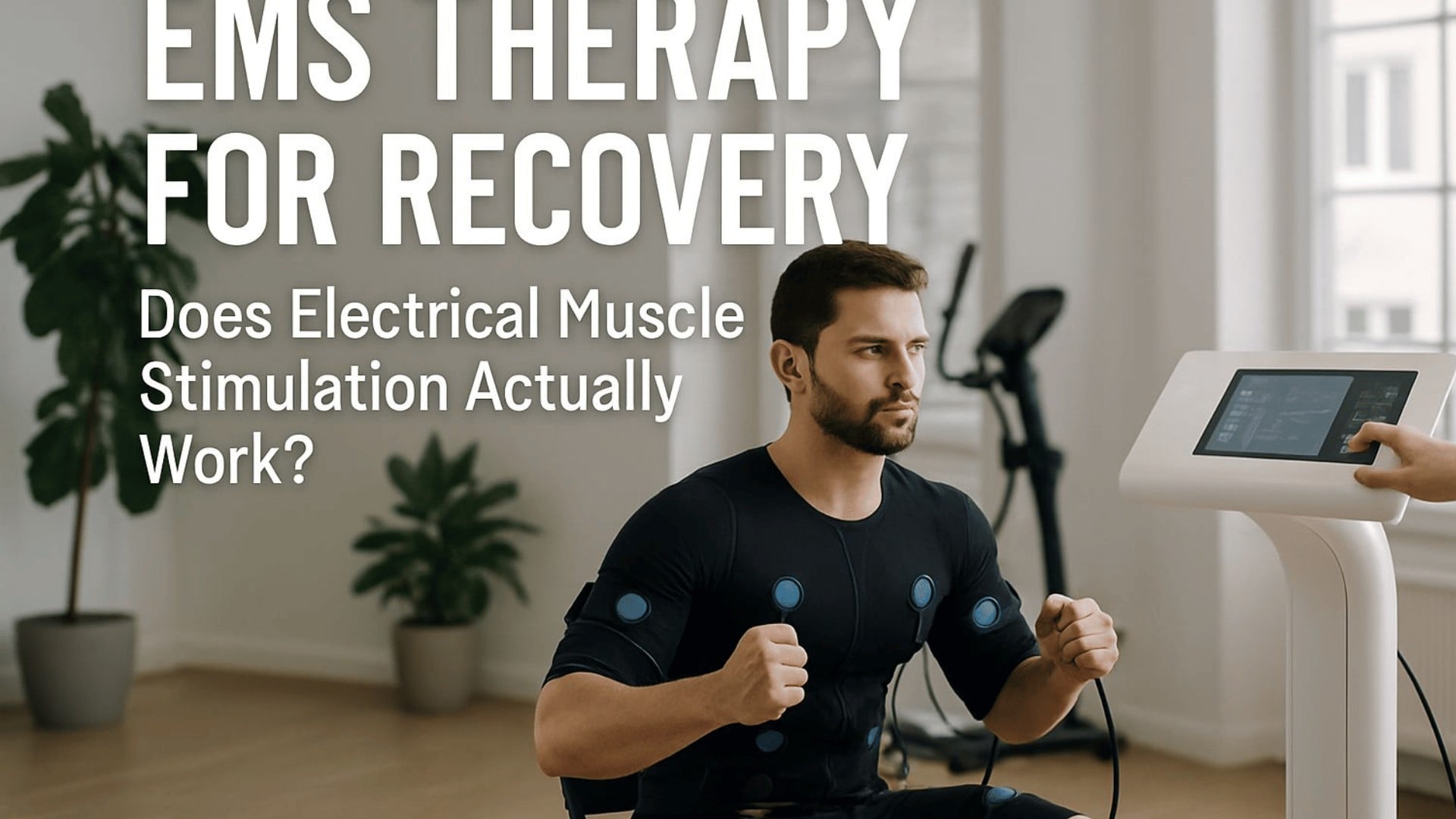
Collective Relaxation has released a wellness guide that translates clinical research on Electrical Muscle Stimulation into practical protocols for athletes and fitness enthusiasts. The guide makes evidence-based muscle recovery strategies accessible beyond professional sports environments, bridging the gap between peer-reviewed research and home-based recovery practice and bringing actionable EMS science to mainstream athletic training.
More information is available at https://collectiverelaxation.com/blogs/wellness-insights/ems-therapy-for-recovery
One of the guide’s primary contributions is clarifying the widespread confusion between EMS and TENS technology. As Collective Relaxation explains, the long-popular TENS technology targets nerve fibers to block pain signals, while EMS delivers electrical impulses directly to muscle tissue in order to activate the deep fibers often overlooked by voluntary exercise.
According to their mission of making home-based recovery better, Collective Relaxation’s new guide identifies the three user groups that experience the highest return from EMS application: competitive athletes, post-surgical patients, and aging adults. As the guide showcases, many professional athletes and sports teams have adopted EMS for rest-day muscle engagement, while post-operative rehabilitation research shows faster strength restoration following procedures such as ACL reconstruction. For older adults, the technology also offers a low-impact method to maintain functional muscle mass for better daily well-being.
The guide also contains both dos and don’ts for using EMS at home, addressing some of the common errors home users are making and explaining the importance of correct timing and consistency – as they explain, clinical studies demonstrate 10-15% improvements in muscle function and approximately 1% muscle mass gains over five to six weeks of consistent use. Collective Relaxation also provides detailed electrode pad placement instructions for major muscle groups.
To manage expectations, the guide also directly addresses what research does and does not support regarding EMS outcomes. As Collective Relaxation’s expert team concludes, the technology functions best as a recovery and maintenance tool rather than a fat-loss device, muscle-building substitute for resistance training, or standalone metabolic enhancer. In an era of viral wellness trends driven by fast social media engagement, they hope that by countering prevalent marketing claims with nuanced evidence, their resource will protect athletes and wellness enthusiasts from disappointment and misuse of the technology.
Collective Relaxation’s guide ultimately recommends electrical muscle stimulation as one evidence-based tool among many rather than a standalone solution, and as such they suggest that users integrate EMS with complementary modalities including sauna, cold therapy, red light therapy, and quality sleep.
This reflects their commitment to bringing recovery science into everyday wellness and making research-backed methods accessible to those who train hard and need effective recuperation strategies. Their educational approach serves the real recovery needs of athletes and fitness enthusiasts by providing clarity on how, when, and why to incorporate EMS into training protocols.
Additional resources and product information can be found at https://CollectiveRelaxation.com
Collective Relaxation
194 Woehrle Avenue
STATEN ISLAND
NY
10312
United States