Springtime Refresh: Simple Ways to Clean and Care for Your Garden Shed
Pickens, United States – March 18, 2026 / Legacy Shed Company /
When spring arrives, many homeowners focus on refreshing their homes—decluttering closets, deep cleaning kitchens, and organizing garages. However, one important space often gets overlooked during seasonal cleaning: the backyard shed. Whether you rely on storage sheds for gardening tools, utility sheds for equipment, or lofted sheds for extra storage, spring is the perfect time to inspect, clean, and maintain these valuable structures.
A well-maintained shed doesn’t just look better; it also lasts longer, protects your belongings, and keeps your backyard organized. By dedicating a little time each spring to proper shed maintenance, you can prevent costly repairs and ensure your storage space remains functional throughout the year.
Start With a Full Shed Clean-Out
The first step in spring shed maintenance is removing everything from inside. Over the winter months, sheds often accumulate clutter, unused items, and sometimes even debris from pests or moisture.
Take everything out and sort through your belongings. This is the perfect opportunity to decide what you actually need and what can be discarded or donated. Broken tools, empty containers, or outdated supplies can quickly consume valuable storage space.
Once the shed is empty, sweep the floors thoroughly. Dust, dirt, leaves, and cobwebs can build up over time, especially in storage sheds that aren’t accessed frequently during colder months. If needed, wipe down shelves and corners with a mild cleaning solution to remove grime or mold.
A clean shed creates a fresh starting point for reorganizing and maintaining your backyard storage area.
Inspect the Structure for Damage
Winter weather can be tough on outdoor structures, so spring is the ideal time to inspect your shed carefully. Walk around the exterior and look for any signs of wear or damage.
Check the roof first. Look for loose shingles, cracks, or areas where water may have pooled. Even small roofing issues can lead to leaks that damage the interior of your shed.
Next, examine the siding and walls. Utility sheds and other backyard storage buildings can develop small cracks, gaps, or warping due to temperature changes and moisture exposure. Sealing these areas early can prevent bigger structural issues later.
Doors and windows should also be checked to make sure they open and close smoothly. Tight hinges, misaligned frames, or worn seals can allow moisture and pests to enter the shed.
Catching these issues early helps protect your investment and keeps your shed strong for years to come.
Protect Your Shed From Moisture
Moisture is one of the biggest threats to outdoor storage buildings. Spring rains can quickly lead to mold, mildew, or wood rot if your shed isn’t properly protected.
Start by checking the foundation or base of the shed. Make sure the ground around it drains properly so water doesn’t pool near the structure. If necessary, add gravel or adjust landscaping to improve drainage.
Inside the shed, consider installing simple ventilation solutions such as vents or leaving small gaps for airflow. Proper air circulation helps reduce humidity buildup that can damage tools, equipment, or stored items.
For homeowners using lofted sheds, moisture control is especially important because elevated storage spaces can trap warm, humid air. Proper ventilation keeps both the lower and upper storage areas dry and safe.
Reorganize Your Storage Space
After cleaning and inspecting the shed, the next step is reorganizing everything efficiently. A well-organized shed not only saves time but also helps protect your tools and equipment.
Start by grouping similar items together. Gardening tools, power equipment, seasonal decorations, and lawn supplies should each have designated areas.
Wall-mounted hooks or racks are excellent for keeping frequently used tools accessible while freeing up floor space. Shelving units work well for smaller containers and supplies, helping keep clutter under control.
If you own lofted sheds, take advantage of the overhead storage area for items that aren’t used regularly. Holiday decorations, spare equipment, or seasonal gear can be stored in the loft while everyday tools remain easily accessible below.
Proper organization turns your shed into a highly functional extension of your home.
Check for Pest Activity
Sheds provide shelter not only for your belongings but sometimes for unwanted pests as well. Mice, insects, and other small animals often seek out sheds during colder months.
While cleaning, look for signs of pest activity such as droppings, chewed materials, or nests. If you find evidence of pests, address the problem promptly.
Seal any small openings or cracks where animals could enter the shed. Door sweeps and weather stripping can also help block gaps that allow pests inside.
Keeping your shed clean and well-maintained reduces the chances of future infestations and protects the items stored inside.
Apply Protective Finishes and Repairs
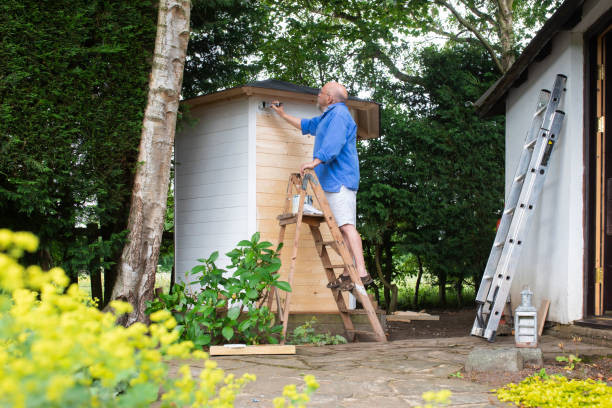
Spring maintenance is also a good time to refresh the exterior of your shed. Wooden sheds benefit from periodic sealing, staining, or painting to protect the material from sun, rain, and humidity.
Applying a weather-resistant finish not only improves durability but also enhances the appearance of your shed, helping it blend beautifully with your backyard landscape.
If you notice loose boards, damaged trim, or worn hardware during your inspection, take care of those repairs right away. Small maintenance tasks now can prevent much larger repair costs later.
Whether you own traditional storage sheds or larger utility sheds used for equipment and lawn care tools, regular upkeep helps maintain both function and curb appeal.
Upgrade Your Shed for Better Functionality
Spring cleaning is also a great opportunity to consider small upgrades that improve how you use your shed.
Adding better lighting, installing tool organizers, or creating designated workspaces can make your shed more practical. Many homeowners even transform larger utility sheds into hobby areas, gardening stations, or small workshops.
If your current shed no longer provides enough storage, you might also consider upgrading to larger or more versatile storage options like lofted sheds. These designs maximize vertical space and provide additional storage capacity without taking up more yard area.
With thoughtful improvements, your shed can become one of the most useful structures on your property.
A Well-Maintained Shed Makes Backyard Life Easier
Your backyard shed plays an important role in keeping your outdoor space organized and functional. From storing tools to protecting seasonal equipment, it supports many of your everyday activities.
By dedicating time each spring to cleaning, inspecting, and maintaining your shed, you ensure that it continues to serve your needs for years to come. Whether you rely on compact storage sheds for basic organization or larger utility sheds for equipment storage, regular care helps extend the life of your structure and protect your belongings.
Spring is all about fresh starts, and your shed deserves the same attention as the rest of your home.
Frequently Asked Questions
How often should I clean my shed?
Most homeowners benefit from cleaning their sheds at least twice a year—once in the spring and once in the fall. Seasonal cleaning helps prevent clutter buildup, identify maintenance issues early, and keep stored items in good condition.
What items should not be stored in outdoor sheds?
Highly sensitive items such as important documents, delicate electronics, or materials that require strict climate control should not be stored in sheds. However, tools, gardening equipment, outdoor gear, and seasonal decorations are perfect for storage sheds.
Are lofted sheds better for maximizing storage space?
Yes, lofted sheds provide additional overhead storage that helps homeowners make better use of vertical space. This design is ideal for storing seasonal items, spare equipment, and supplies that aren’t used every day.
How do I keep moisture out of my shed?
Good ventilation, proper drainage around the shed, and sealing gaps or cracks are key steps in moisture prevention. You can also use moisture absorbers or small vents to improve airflow inside the shed.
When should I consider replacing my shed instead of repairing it?
If the shed has extensive structural damage, severe rot, or repeated leaks that cannot be easily repaired, replacing it may be the best option. Newer storage sheds and utility sheds often provide better durability, improved design, and more efficient storage solutions for modern homeowners.

Contact Information:
Legacy Shed Company
217 Erin Ln
Pickens, SC 29671
United States
Shannon Haskett
(864) 507-0000
https://legacyshedcompany.com/
Original Source: https://www.legacyshedsllc.com/blog