Expert Advice on Watering, Mulching, and Protecting Shade Trees After Installation
Magnolia, United States – March 16, 2026 / B&A Farms /
When a shade tree goes into the ground, the planting process ends, but the work of protecting that investment is just getting started. For homeowners across the Greater Houston suburbs, the weeks and months following installation are among the most consequential in a tree’s life. Without consistent, informed care during this period, even a healthy, professionally installed tree can decline before it ever has a chance to establish itself.
B&A Farms, a family-owned tree farm based in Magnolia, Texas, has published a detailed resource covering how to care for newly planted shade trees, outlining five practical steps homeowners can follow to support their trees through the critical first growing season.
Why Newly Planted Trees Struggle More Often Than Expected
Many homeowners assume that once a tree has been professionally installed, it can manage largely on its own. That assumption, while understandable, leads to some of the most common and preventable causes of tree loss. Watering errors, both overwatering and underwatering, account for a significant share of tree failures in the first twelve months after planting.
Conditions across the Greater Houston area add layers of difficulty. Soil temperatures begin rising in early March, which accelerates a young tree’s moisture demand before many homeowners have adjusted their care routines. Clay-heavy soils common throughout Montgomery, Harris, and Fort Bend counties hold water in ways that can mislead even attentive gardeners. A surface that looks dry may still be holding considerable moisture just a few inches down, and adding more water compounds the problem rather than solving it.
Mulching errors are equally routine. A layer of mulch applied too close to the trunk traps moisture against the bark, creating conditions for rot and disease over time. The practice is often called a mulch volcano, and while it is easy to avoid, it remains one of the more frequent mistakes observed in residential landscapes each season.
Fertilizing too early introduces another layer of risk. High-nitrogen products push visible top growth before the root system has developed the capacity to support it, diverting the tree’s energy away from the underground establishment work that determines long-term survival.
These patterns repeat across neighborhoods each year when post-planting care is approached without a clear understanding of what newly planted trees actually need.
How the Retail Process Shapes a Tree’s Starting Conditions
The foundation for long-term tree health begins before a homeowner considers a watering schedule. At B&A Farms, the retail experience is structured around appointment-only farm visits, where buyers walk the property, view trees directly, and select the specific specimen they want installed. Inventory is presented with caliper measurements, height specifications, and upfront pricing, giving homeowners the information needed to make a confident, informed decision.
Every large tree purchased through B&A Farms is installed by the company’s professional installation team. Trees of this size, often exceeding 1,000 pounds, require proper equipment, precise planting depth, and careful handling to protect the root structure during the transition from farm to yard. Leaving that process to chance or to general landscaping crews unfamiliar with large-tree installation introduces unnecessary risk.
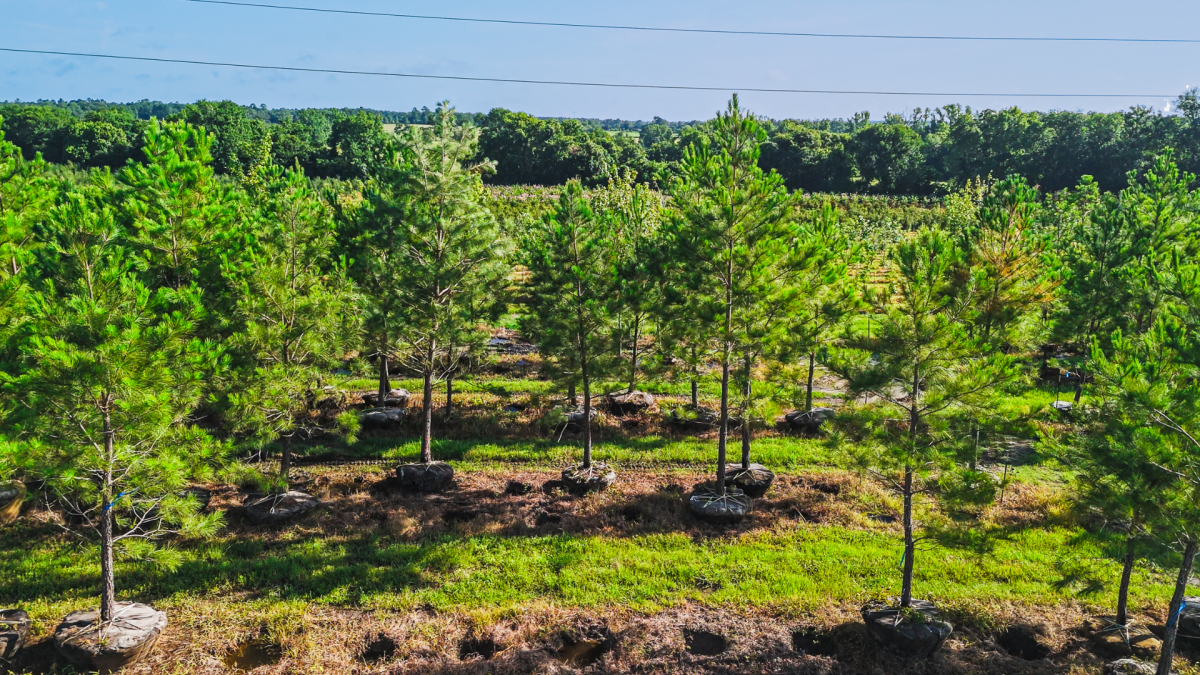
The farm specializes in balled-and-burlapped trees, a method that preserves an intact, mature root ball through the entire digging and transport process. Compared to container-grown alternatives, B&B trees arrive with root systems already conditioned to soil environments similar to where they will be planted, giving them a more reliable foundation from day one.
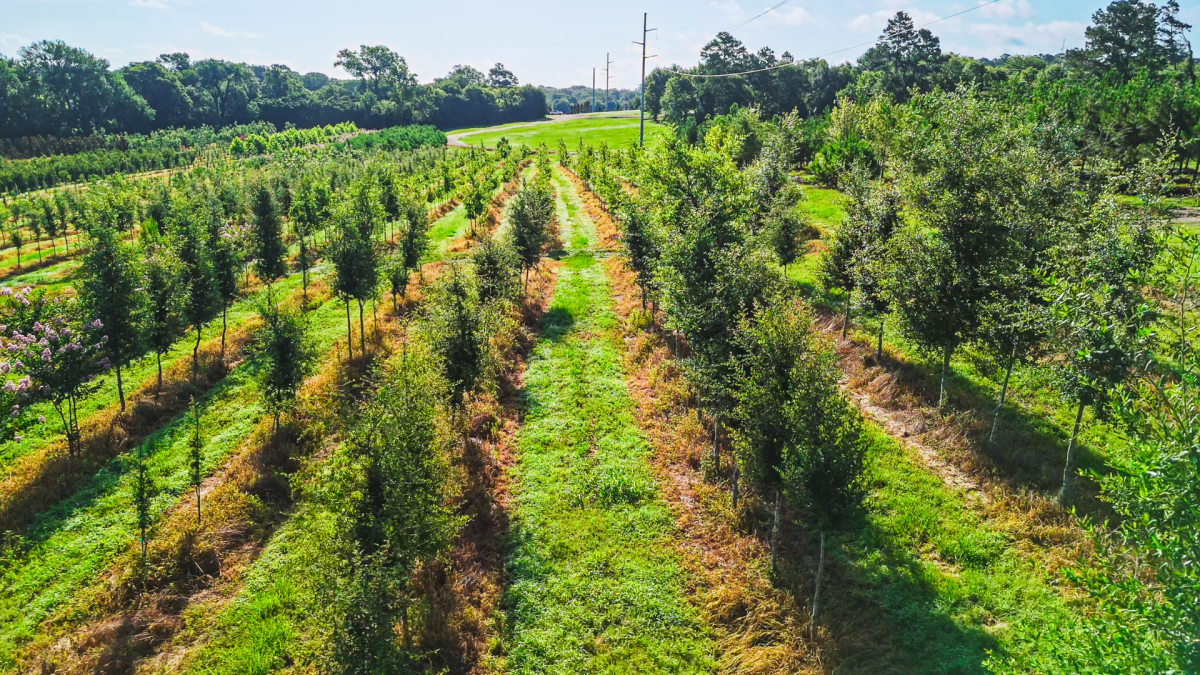
The farm’s inventory includes shade trees and ornamentals selected for performance in Texas soil and climate conditions, grown on-site before installation across the Greater Houston service area.
A Process Designed to Reduce Guesswork for the Homeowner
Purchasing a large shade tree is a meaningful decision, and the way that tree is handled from farm to final placement directly affects how it performs over the coming years. B&A Farms structures its retail process to keep that handling controlled and the homeowner informed at every step.
The appointment model means buyers are not selecting from pre-tagged, lot-style inventory. They are seeing the trees firsthand, asking questions of people who grew them, and choosing based on real information rather than a label and a price tag.
By requiring professional installation for all large tree purchases, B&A Farms addresses one of the most common variables behind early tree failure: improper planting. Depth, soil preparation, and post-installation support all contribute to whether a tree transitions cleanly from farm to yard. The team brings the equipment, local knowledge, and hands-on experience to manage that process reliably.
Local Soil Conditions Make Post-Planting Attention Even More Important
Soil profiles across the Greater Houston suburbs vary considerably from one area to the next. The expansive clay soils found in communities like Katy and Sugar Land behave very differently from the sandier compositions closer to Conroe, Willis, and the northern reaches of the service area. Both present challenges for newly planted trees, and both require careful attention to moisture levels during the establishment period.
Homeowners preparing for an upcoming installation or managing trees already in the ground will find detailed information on the full scope of professional tree delivery and installation services offered by B&A Farms, including what the planting process involves and what to expect in the days that follow.
A Retail Tree Farm Built Around Direct Customer Relationships
B&A Farms operates as a retail-first tree farm, which means day-to-day focus is on individual homeowners making considered decisions about their properties. That focus shapes how the team communicates, how inventory is presented, and how questions are handled before, during, and after a purchase.
As a locally operated tree farm serving the Greater Houston area, the business has built its standing through direct customer relationships and consistent results rather than high-volume transactions or impersonal retail environments. Homeowners in Magnolia, Tomball, The Woodlands, Cypress, Conroe, Katy, and the surrounding communities have come to rely on the farm as a transparent and reliable source for quality B&B shade trees, ornamentals, and professional installation.
Tree Establishment Is a Process Worth Understanding Before It Begins
A shade tree represents years of growth delivered in a single installation. The care that follows that installation determines whether the investment performs as expected or falls short before the tree has a real opportunity to develop.
Watering correctly, mulching with proper clearance from the trunk, holding off on fertilizer during the first season, watching for early stress indicators, and protecting the bark from equipment damage are all practical steps that make a measurable difference in outcomes. B&A Farms supports homeowners through both the installation process and the learning curve that follows it.
Homeowners with questions about newly planted tree care, or those planning an installation in the Greater Houston area, can reach B&A Farms directly at (832) 734-9040.

Contact Information:
B&A Farms
27612 FM 2978 Rd
Magnolia, TX 77354
United States
Contact B&A Farms
https://bandatreefarms.com/

Original Source: https://bandatreefarms.com/media-room/#/media-room