Physiotherapy Insights For Post-Accident Concussion Recovery
Sunshine, Australia – March 16, 2026 / Your Story Physiotherapy /
Recognising Concussion Symptoms Early
A concussion following a workplace fall, road incident, or sudden impact can affect balance, memory, focus, and overall daily function. Symptoms may appear immediately or develop over time, making it important to recognise changes in coordination, concentration, and physical stability. Recovery often involves a gradual process that supports the brain and body as they adapt and regain normal function. Physiotherapy can assist by focusing on balance, movement control, and strategies that help individuals safely return to everyday routines and work tasks. Through careful assessment and structured rehabilitation planning, people experiencing concussion-related symptoms can build confidence in their recovery journey. Your Story Physiotherapy provides supportive care designed to help individuals manage these challenges following accidents or workplace incidents, including rehabilitation pathways connected to Workcover Physiotherapy.
Concussion After Accident: Why Symptoms Don’t Always Show Up Straight Away
After a car accident or workplace fall, it’s common to focus on visible injuries first. Neck pain, bruising, and back discomfort. But sometimes the most disruptive symptoms appear later.
Headaches. Dizziness. Brain fog. Feeling off-balance when walking.
Concussion is common in TAC motor vehicle accidents and workplace falls across Melbourne’s western suburbs. You don’t have to lose consciousness to have one. In many cases, symptoms develop hours or even days later.
That delay can make recovery feel uncertain. The good news is that most concussions improve steadily with the right guidance.
What Is a Concussion?
A concussion is a mild traumatic brain injury caused by sudden force to the head or body. Even if your head didn’t directly hit something, rapid movement of the neck during impact can affect how the brain functions temporarily.
Concussions rarely show up on standard scans. That doesn’t mean symptoms aren’t real. It simply reflects temporary changes in how the brain processes movement, balance, and information.
Most people recover well, especially when activity is managed appropriately.
Common Concussion Symptoms After TAC or Workplace Accidents
Concussion symptoms often fall into three groups.
Physical
- Headaches
- Dizziness
- Sensitivity to light or noise
- Fatigue
Balance-Related
- Feeling unsteady when walking
- Needing support on stairs
- Motion sensitivity
- Feeling worse in busy environments
Cognitive
- Brain fog
- Slower thinking
- Difficulty concentrating
- Feeling mentally overloaded
Symptoms often fluctuate. Some days feel better than others. That pattern is common during early recovery.
Why Balance Problems Are So Common
Balance relies on coordination between the brain, inner ear, eyes, and neck. After a concussion, this system can become temporarily disrupted.
That’s why people often notice:
- Dizziness when turning their head
- Visual discomfort in shopping centres
- Fatigue in busy or noisy environments
- Reduced confidence walking outdoors
These symptoms do not automatically mean permanent damage. They usually reflect a system that needs gradual retraining.
Vestibular Rehabilitation: Retraining the Balance System
Vestibular rehabilitation is a structured approach used to help restore balance and reduce dizziness.
It may involve:
- Eye and head coordination exercises
- Controlled exposure to movement
- Balance retraining drills
- Neck mobility and strength work
- The goal is not complete rest. It’s progressive re-exposure in manageable amounts so the system adapts safely.
For many TAC and workplace injury patients, this stage is what helps shift recovery from “stuck” to improving.
Cognitive Recovery: Building Mental Tolerance Again
Concussion recovery is not only physical. Cognitive symptoms can affect work performance, driving, and daily responsibilities.
Recovery often includes:
- Gradually increasing screen and mental workload
- Structured rest periods
- Managing overstimulation
- Building tolerance to busy environments
Avoiding all activity can slow progress. Pushing too hard too early can increase symptoms. Rehabilitation helps find the right balance.
TAC and WorkCover Recovery Timelines
Every concussion is different, but many people move through similar phases.
Early Phase (first 1–3 weeks)
Symptom stabilisation and gentle return to light activity.
Middle Phase
Targeted vestibular and cognitive retraining with gradual increases in load.
Later Phase
Return-to-work strengthening, balance confidence, and improved tolerance to normal demands.
Most concussions improve steadily. Ongoing symptoms are often linked to incomplete rehab rather than lasting injury.
Returning to Work Safely After a Concussion
After a TAC accident or workplace fall, returning to work may require temporary adjustments such as:
- Reduced hours
- Modified tasks
- Screen breaks
- Avoiding high-risk or overstimulating environments early on
These adjustments are usually short-term. The goal is restoring full function, not limiting it long-term.
Moving Forward With Confidence
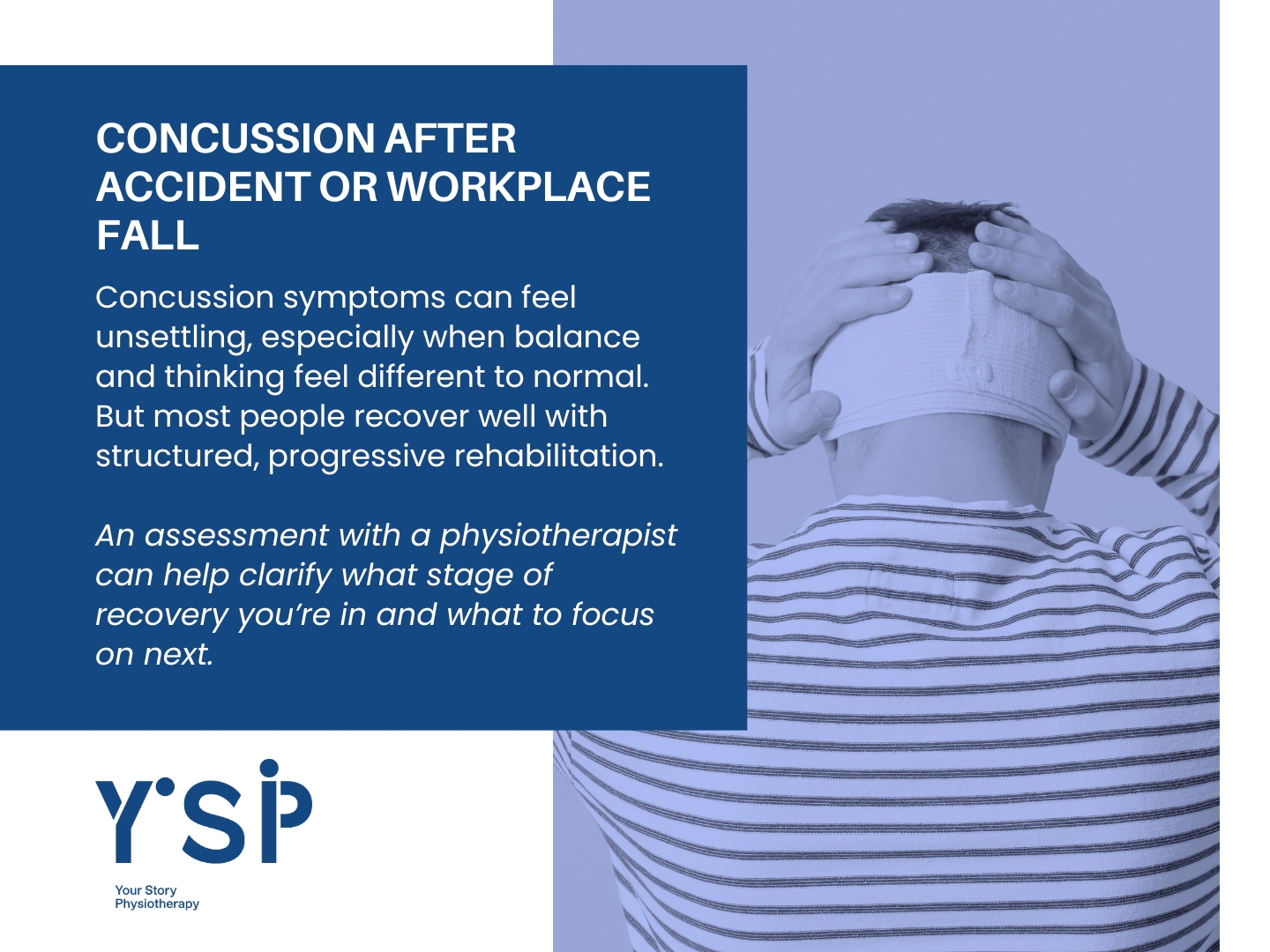
Concussion symptoms can feel unsettling, especially when balance and thinking feel different from normal. But most people recover well with structured, progressive rehabilitation.
If you’ve experienced a concussion after a car accident or workplace fall and are still dealing with dizziness, balance issues, or brain fog, an assessment can help clarify what stage of recovery you’re in and what to focus on next.
Take The Next Step Towards Recovery
 Sunshine is a well-established suburb in Melbourne’s western region, recognised for its diverse community, convenient transport connections, and growing local services. Your Story Physiotherapy provides physiotherapy services within Sunshine and supports patients from nearby suburbs, offering accessible care for individuals seeking support with movement, recovery, and physical wellbeing.
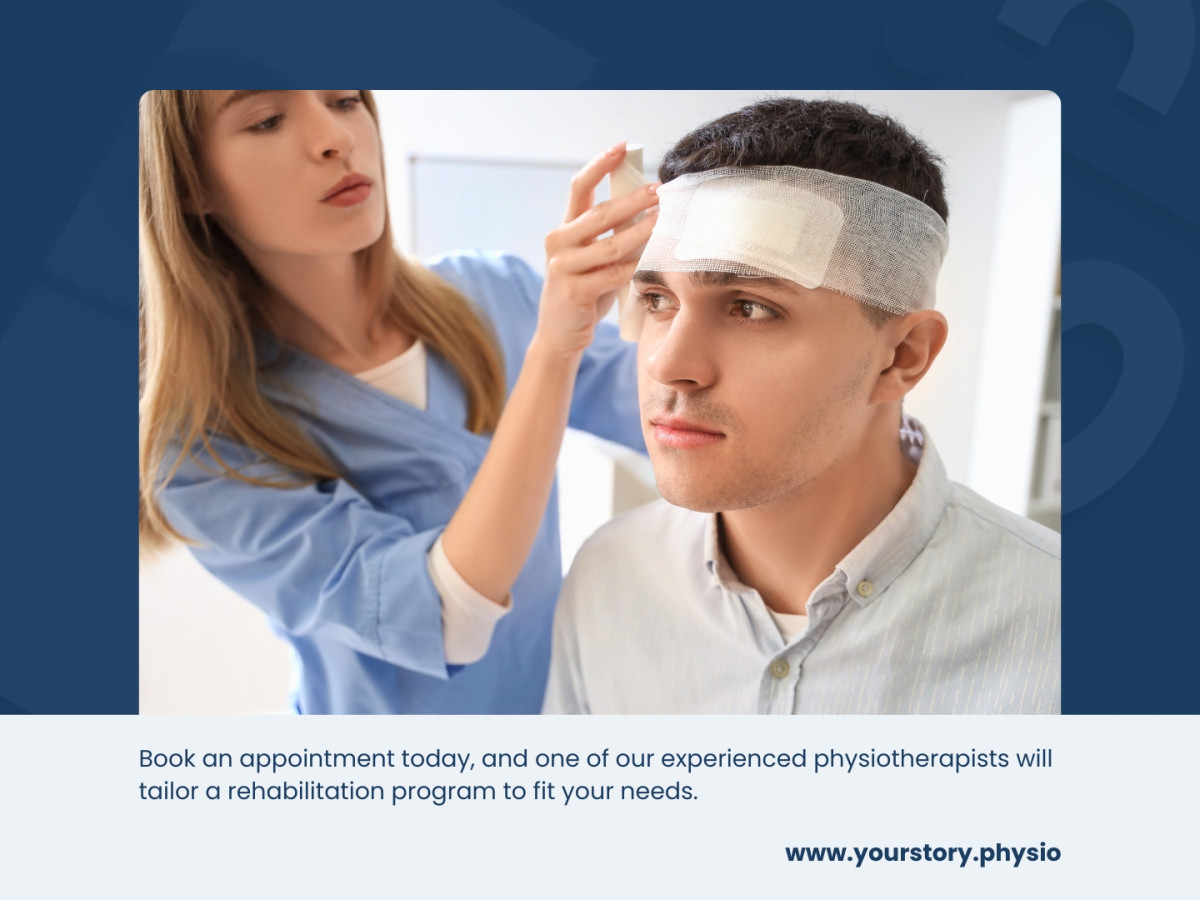
Experiencing symptoms after a concussion can make everyday activities feel challenging, particularly following a workplace fall or accident. Your Story Physiotherapy offers supportive physiotherapy care designed to assist individuals in improving balance, coordination, and cognitive function as part of their recovery journey. If you would like to learn more about Concussion After Accident or Workplace Fall: Managing Balance and Cognitive Recovery, consider speaking with the team at Your Story Physiotherapy for guidance and consultation. Our services, including Workcover Physio support, aim to help individuals move forward with confidence and return to daily routines safely.

Contact Information:
Your Story Physiotherapy
149-153 Anderson Rd
Sunshine, VIC 3020
Australia
Abraam Mikhail
https://yourstory.physio/


Original Source: https://yourstory.physio/concussion-after-accident-or-workplace-fall/